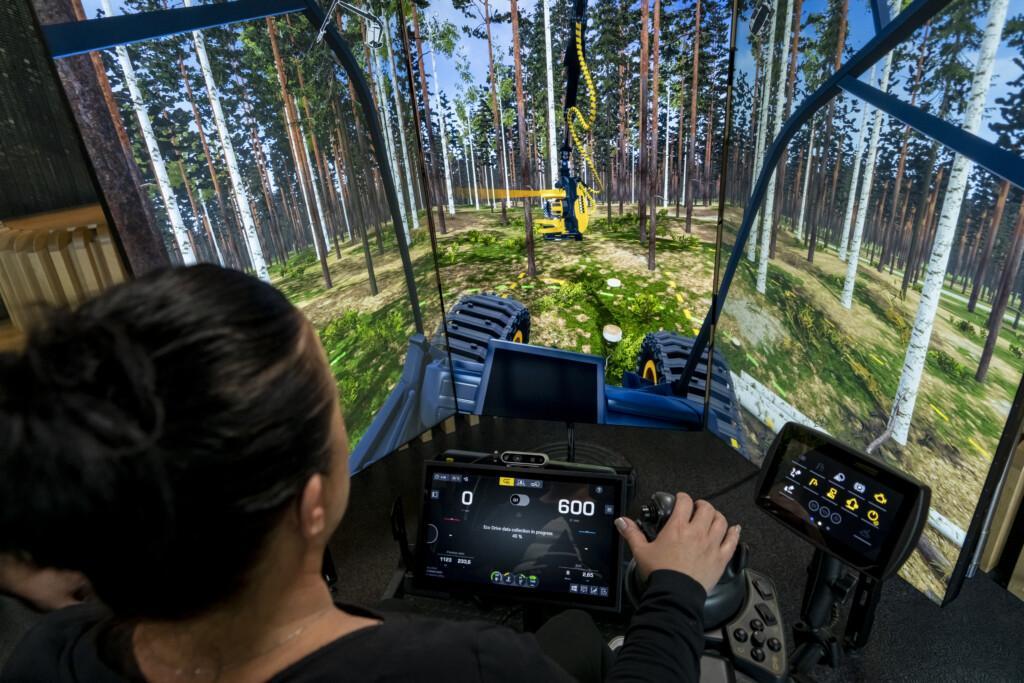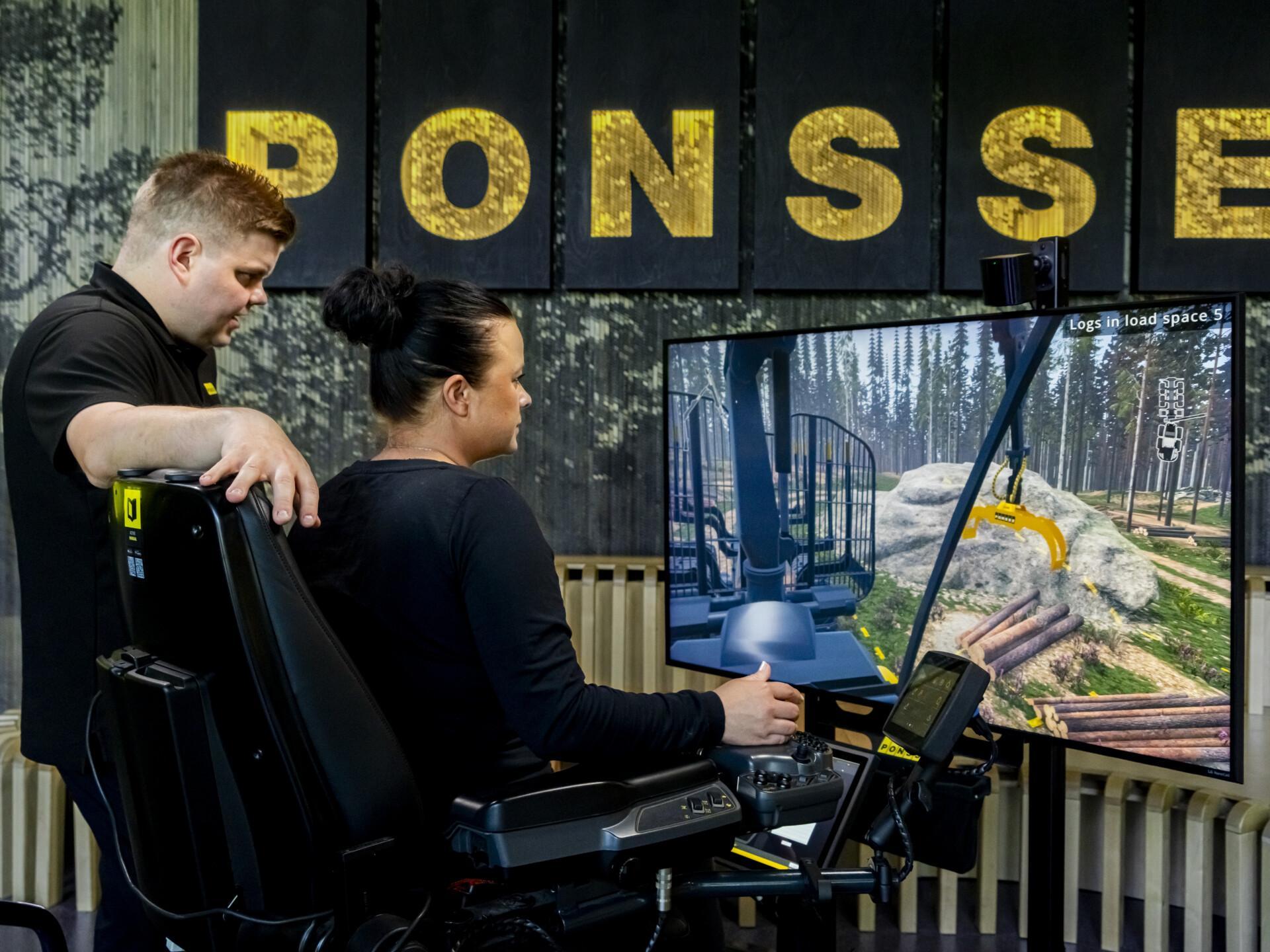
The Renewed Simulator Family Meets the Needs of Modern Training
Ponsse has renewed its simulator family to meet the evolving needs of modern forest machine training and professional skills development. The redesign is based on close cooperation with customers and years of feedback gathered from trainers, educational institutions, and industry professionals.
The new simulator family consists of four levels: Ponsse Basic, Ponsse Compact, Ponsse Multi, and Ponsse Full. The portfolio is designed to provide flexible solutions for different training environments, user volumes, and application needs.
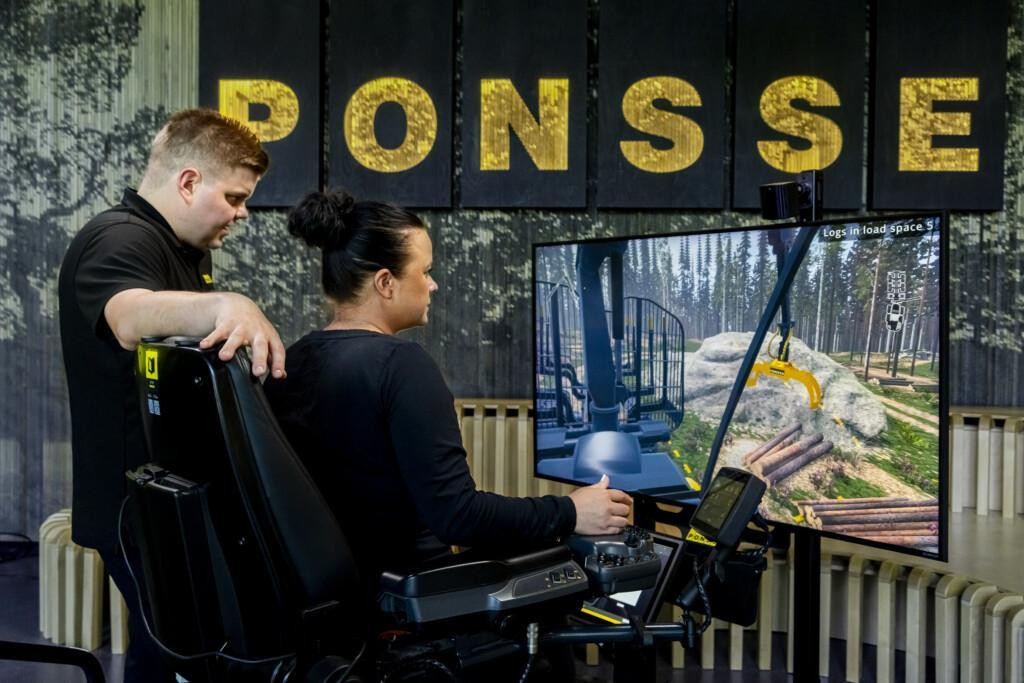
Developed Based on User Needs
User feedback has been a key driver in the development process, particularly in improving flexibility, ergonomics, and overall realism. The renewed simulator family makes it possible to build a training solution that matches specific needs, whether the focus is daily practice, operator training, or maintaining professional skills.
At the same time, the simulator offering has evolved from a traditional equipment purchase into a more comprehensive service concept. New financing and rental options make advanced training technology more accessible to organizations of all sizes.
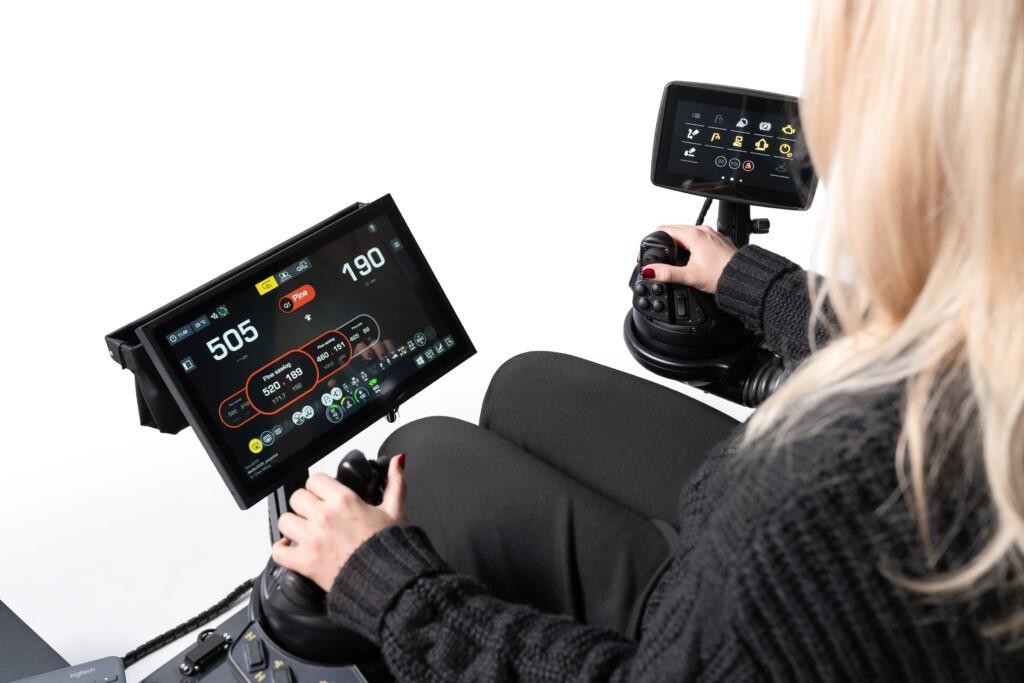
A More Realistic and Immersive Learning Experience
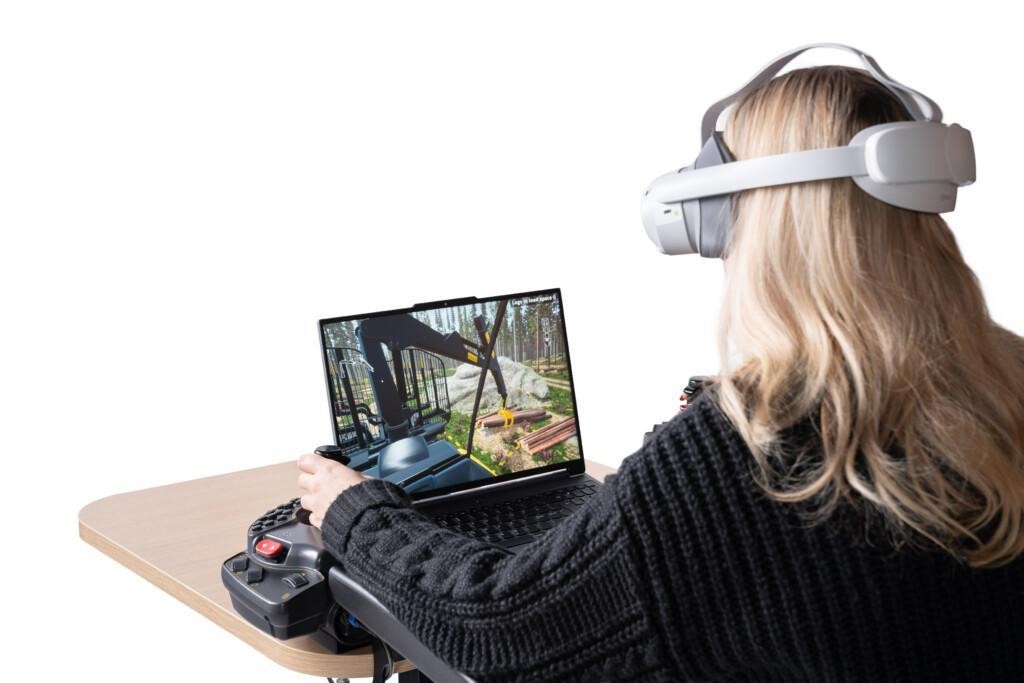
The simulators can be equipped with a variety of features to suit different training needs. With VR headsets, training becomes even more immersive, while genuine forest machine controls provide a realistic operating experience.
When the training environment closely replicates real working conditions, learned techniques and operating methods transfer more effectively to practical field work.
Improving Efficiency in Training and Field Operations
Simulator training is not only beneficial for educating new operators. It can also help experienced users further develop their skills and improve the efficiency of various work processes.
For example, practicing measuring system calibration in a simulator helps operators work more efficiently in real-life conditions. In addition, a wide range of optional features allows training to be tailored to specific applications, such as excavator-based machines, harvester heads, or particular information system versions.
Remote Management Brings Greater Flexibility
The renewed simulator offering also includes remote management capabilities and SimTrainer training modules, enabling instructors to monitor learning progress, guide trainees, and manage equipment regardless of location.
Remote management increases training flexibility, supports more efficient use of resources, and simplifies the monitoring of learning outcomes.
An Investment That Pays Off
Simulator training helps operators learn correct working methods safely and cost-effectively. It reduces equipment wear, lowers the risk of damage, and decreases fuel costs during the training phase.
Flexible purchasing, financing, and rental options make advanced simulator technology accessible without significant upfront investments. Rental solutions also provide flexibility for temporary training projects and seasonal requirements.
When the training environment accurately reflects real working conditions, the acquired skills transfer efficiently into daily operations. The result is safer, more productive, and more cost-effective work, making simulator training an investment that continues to deliver value long into the future.